Writing Plans Update

A couple of weeks ago I outlined my writing plans for the future. I had returned from holiday all fired up and ready to get my books out there. Well, it’s been a busy couple of weeks since then so I thought I’d share my progress with you.Free Book Promo

Free Book Promo – I’ve set the date for 21st August and here is the link that you need to visit to get your free Kindle download www.amazon.co.uk/dp/B008IG41DU. Since I set the date I’ve been working very hard on getting the word out. Free book promos do not have the miraculous results they used to have on Amazon so I realise that it’s important to let as many people know about it as possible if it’s to be a success. In addition to that, my readership for “Kids’ Clubs and Organizations – A Comprehensive UK Guide” is UK only, as confirmed by the sub-title. This means that I have to work extra hard on spreading the word as my readership is substantially smaller than that for novels etc., which sell worldwide.

So what have I been doing up to now to publicise the promo?

Sending emailsWell, to start with I’ve notified over 20 websites that advertise free book promotions. I’ve also emailed a couple of sites that specialise in parenting promotions although I’ve not had any response from them to date. A few of the book promotion sites have kindly agreed to feature the book though. Next, I’ve mithered the life out of friends and relatives and asked them to share any posts on their Facebook pages. I was really pleased with the response and send a big thank you to everybody who offered to help.

I’m currently scheduling lots of tweets to book tweeters and parenting groups to try to build up a big buzz in the couple of weeks preceding the promotion. I’ve also joined Facebook groups and Google+ communities that will allow promotional author posts, so I will be adding mine a few days before my promotion. I really need to get more active on Goodreads as well so that I can utilise it to greater advantage. For those of you who are non-authors, Goodreads is a vast writing community with a massive following. Consequently, independent authors are constantly advised that having a presence on the site is an absolute must.

I also want to take this opportunity to thank my lovely author friend Alice Huskisson in advance for showing me the way to manage my free book promo. This will be the first one I’ve done so all the information I found through her blog and her one to one advice have really helped. Alice is the author of the brilliant The Man in a Haystack. If you read and enjoyed Bridget Jones’ Diary then I’m sure you’ll enjoy this book, which logs Alice’s experiences of Internet dating. You can find out more about Alice at: http://alicehuskissonauthor.wordpress.com/.Writing Books

My Second Parenting Book – As I’ve been so focused on the free book promo and client work, my second book is still 70% complete as it was a couple of weeks ago. However, I have now received information from all but one of the 23 organisations that will be featured in the book. This means that once I get back to writing the book, it shouldn’t take too long to finish. I’m so looking forward to publishing my second book and I’ll update you as we get nearer to publication date. For this parenting book I plan to include colour photographs but I haven’t quite ironed out how that will work in practice so I think there will be fun and games ahead.

My Debut Novel – I originally planned to publish my first novel “Slur” towards the end of 2013, but it may now have to wait until early 2014. It’s difficult to predict at this point as it depends on my client workload and how long it takes to complete my second parenting book. Again, I’ll keep you updated via the blog.

I enjoy receiving feedback from readers of my blog so if you have any questions or comments regarding any of the above, feel free to let me have your comments below. If you’ve enjoyed reading the blog, please let me know by hitting the ‘like’ button.

Why I Don’t Write Poetry Anymore

White LilyLong before I did any other writing (as an adult) I used to write poetry. This was back in the 80s and well before I started my writing course. I went through a very difficult period in my life which lasted a few years and I found that writing poetry was cathartic for me. However, when I came through that dark period I found that I could no longer write poetry with such ease. It seems that my talent for poetry writing only applies to sombre and depressing topics for some strange reason. I have attempted to write happy poetry but haven’t often been successful with only one or two exceptions. So, as my life and my state of mind improved, I gradually stopped writing poetry.

Then, 10 years ago I lost my mother and it was a very traumatic experience. I woke up one morning shortly after her death with the first and last verses of a poem fully formed in my mind. Within half an hour I had added the remaining verses. Together they capture exactly how I felt at that time. After showing the poem to a few relatives the consensus was that it should be read out at the funeral. So it was arranged and many people commented on how moving they found it. That’s the last poem I wrote, and I hope that I won’t feel the urge to write any more for a long time. Here it is:

Each day when I wake I’m filled with pain

To think that we’ll never see you again

You were loving and caring as a mother should be

You meant the world to my brothers and me


For months you suffered but soldiered on

I feel so guilty now that you’re gone

If only we’d known how ill you were

Then maybe you would still be here


The last two weeks were relatively good

They kept you from pain as much as they could

We had a party around your bed

It was lovely to see us together you said


We’ll always remember the happier days

You made us laugh in so many ways

With your quirky sayings and sense of fun

You could turn anything into a pun


Wherever we are you’ll always be there

It’s hard to express just how much we care

Your memory will never go away

For you made us all what we are today

White Lily and Cross

 Do you write any poetry that you would like to share? What inspires you with your poetry writing or with writing in general? Please feel free to let me have your feedback below.

My Writer’s Perk – Chill Factor e

In all the years that I have been writing I think this is the first time that I have received a free perk. This is probably due to the fact that I mostly write about consumer finance for clients and there is no incentive for them to offer me anything other than payment. Recently, however, I was really pleased when Chill Factor e asked me if I would like to try out their facilities and offered me free participation for a family of four.

Chill Factor e are one of the organisations that I will be featuring in my next book “Great Places for Kids’ Parties – A UK Guide”. It is within easy reach of my home and my daughter has been skiing there previously so I knew she would be thrilled when I told her the good news. We decided that me, my husband, daughter and her friend would go and we chose the Pick & Mix option as it allows you to try a little of everything. Pick & Mix activities include sledging using three different types of sledge (standard, Snow Carver and Snow Zipper), tubing and use of the Luge Ice Slide. The Luge is 60 metres long and the only one of its kind in the UK.

20130726_195842

The building looks really impressive from the outside with its sloping shape; it looks pretty impressive on the inside too as you can see in the above picture. It took two years to build and has the longest indoor real snow slope in the UK, which measures 180 metres. Chill Factor e offers skiing, snowboarding and a range of other snow based activities. It also has a 12 metre high climbing wall.

Of course, as a self-confessed wimp I totally abstained from the activities but they were great fun for my 16 year old daughter and her friend as well as my considerably older (but young at heart) husband. For me the Luge looked particularly scary but particularly inviting for the rest of our party. The activities lasted an hour and the three of them had a great time.

20130726_195551 - Copy

Although we decided to eat elsewhere beforehand Chill Factor e does have a great selection of eating and drinking venues including an excellent, spacious function room. In fact, it’s a great place to go just for a meal or party even if you aren’t taking part in any activities. The restaurants, cafes and bars comprise of: Costa Coffee, Mont Blanc Italian style restaurant, Nando’s, J D Wetherspoon, Chilli’s Sports Bar and Frederick’s Ice Cream. There are also a number of shops which mainly sell items related to snow sports as well as gifts.20130726_200619

After having a look around we went to the changing area where the rest of my party got kitted out with helmets and boots. They also had to make sure that they were wearing warm clothing including gloves and that their arms and legs were covered. I plonked myself down in Mont Blanc with a nice glass of wine and my Kindle, laughingly telling the girls that the wine was my slippery slope. The Mont Blanc restaurant overlooks the slopes and the views are stunning. Yet, amazingly it is cosy and warm inside. If you want an even better view you can walk through two sets of doors onto a large balcony, which is equipped with tables and chairs. Be sure to take your coat though as it’s cold out there.

I chose to stay indoors for most of the hour, wandering outside occasionally to take a few pictures and just in time to see my husband’s spectacular fall at the top of one of the slopes. Unfortunately I didn’t capture it on film though so I’ll have to wave goodbye to my “You’ve Been Framed” reward. I admit to being a bit concerned though when he took a while to recover. Little did I realise at that point that he was absolutely exhausted. The girls, however, emerged as fresh as daisies at the end of it all, as 16 year olds gallingly do.

Chill Factor e is one of over 20 fabulous venues that will be featured in my forthcoming book “Great Places for Kids’ Parties”. They will be offering a special discount of 20% off children’s parties taking place Monday to Friday and 10% off children’s parties taking place Saturday or Sunday. This offer is available exclusively to people who purchase the book in either print or digital format. Additionally, for all children’s birthday parties with Chill Factor e the birthday child goes free. I will also be including exclusive special offers for children’s parties from some of the other organisations in the book. I’ll be making further announcements via this blog as I get nearer to publication date.

Post Holiday Writing Plans

There’s nothing quite like a holiday to help you clear your head and put a new perspective on everything. Before I went away I was feeling quite stressed as I had a lot of things on the go. I still have many plans in terms of my writing but I’m now feeling more relaxed and prepared to take things in my stride. Instead of trying to do things all at once I will let them take their turn and will accept that it will take as long as it takes. Before detailing my plans I thought I’d share a couple of holiday snaps while the memories are still fresh: 20130714_16155520130714_16190120130713_194016 Book Promo I will be holding my first free book promo in the next couple of weeks for my book entitled “Kids’ Clubs and Organisations – A Comprehensive UK Guide”. I need to contact a few websites and other avenues first to ask if they will publicise the promotion so I haven’t fixed the date yet. I will make the first promo a one day only event and will give further information via the blog in the near future.

2nd Parenting Book My 2nd parenting book is about 70% complete. I have reached a bit of a sticking point with some of the research so I really need to push this further to enable me to finish the writing. I will be taking measures to complete the research and will give more details about the book via this blog as I get nearer to the publication date. It will include a few special features though, which will be likely to appeal to a wide range of parents and children.

Debut Novel I have already written my first novel and can’t wait to launch it but I’m waiting until after I have launched my second parenting book. I still need to edit, fact check and proofread the novel, which is a crime thriller. Not having touched the manuscript for some time it will seem strange to revisit it, but I am really looking forward to the task. I must admit that I am becoming a bit frustrated with the process of collating all the information for the parenting books, which are heavily research based, so it will be good to take a break from them and concentrate on fiction instead.

Client Projects I probably should have put this at the top of the list since client work has to be done as and when it is received in accordance with agreed client deadlines. In addition, I have a few regular commitments that I have to meet. It is for this reason also that the books will take as long as they take because client work must always take precedence.

Originally I planned to release the non-fiction book in the late summer and the novel at the end of the year but I now realise that I was perhaps being a little bit over ambitious. I’ll have to see how I progress with the non-fiction book and will detail my experiences via this blog as I go along.

What’s a Holiday without a Good Book?

One of the great pleasures on holiday for me is to be able to read, read and read. I don’t get the chance to read as much as I’d like to at home. This is partly because of lack of time but also due partly to a bit of a self-confessed TV addiction in the evenings. Therefore holidays give me a great opportunity to enjoy a few good books. Not that that’s the only pleasure that I indulge in on holiday, but as this is essentially a writing blog we’ll skip the other indulgences for now.

I don’t usually take my Kindle on holiday due to the sand/sun lotion/seawater dilemma so Indie’s are out I’m afraid. Instead I read traditionally published books on holiday although I read a lot of books by independent authors and publishers when I’m at home. These are my choices for this year’s holiday:

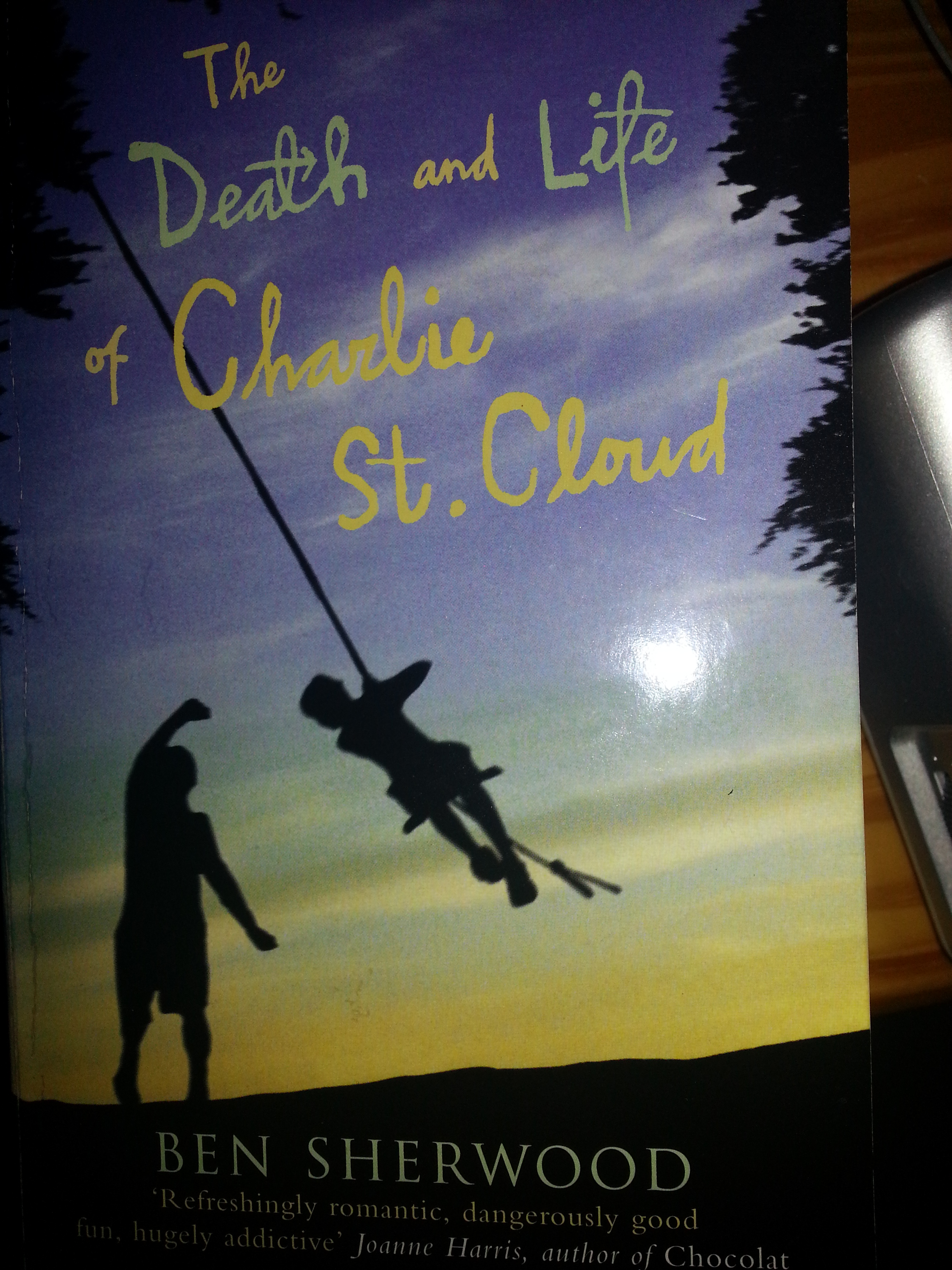
20130710_133137The Life and Death of Charlie St Cloud by Ben Sherwood

Books about ghosts and spirits don’t usually appeal to me but I thought I’d give this one a whirl. Having already started this book pre-holiday, I am finding it really enjoyable. The book is so well written that it is convincing even to a sceptic like me. On taking a peek at the acknowledgements at the back of the book I note that the author has done a lot of research and this has obviously paid off. Aside from the subject matter, the book is essentially a love story and a very enjoyable one. I had previously read The Lovely Bones by Alice Sebold (also on the subject of life after death) and wasn’t overly impressed. In my opinion The Life and Death of Charlie St Cloud is a much better book.

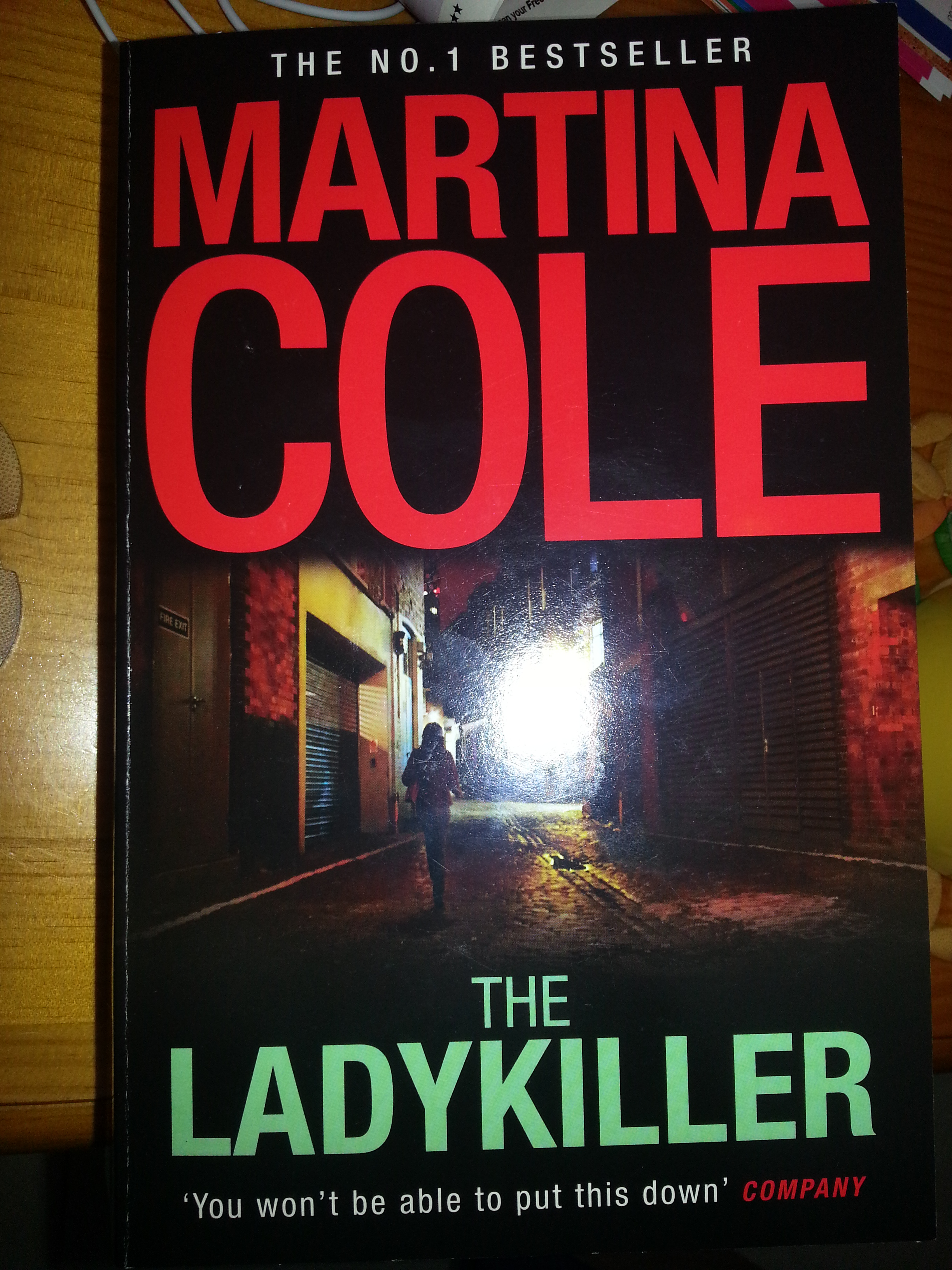
The Ladykiller by Martina Cole20130710_133048
I’ve read a few books by Martina Cole in the past and I’ve found some better than others. However, for me she is an inspiring author and I intend to read more of her books in the future. When I was at Stockport Book Fare recently I found a stall with an excellent selection of books by Martina Cole. I was deliberating over which one to try next when the stall holder insisted that I should choose The Ladykiller. Apparently it is one of the best books he has read in a long time so this one comes highly recommended and I can’t wait to start it. At over 700 pages I think it will keep me well occupied during my holiday.

Sharon Osborne – Survivor
I have to confess to my penchant for the occasional celeb autobiography although I probably wouldn’t touch anything by anyone under the age of 25. I’m afraid that in my opinion if you’re going to write about life then you need to have lived a bit first. Sharon Osbourne has certainly had a more eventful life than most. I also enjoy finding out what goes on behind the TV screen. So, all in all, it should make for an interesting read if I can squeeze it in after the gigantic Martina Cole book. My only reservation is that it’s one of several so I’ll probably have to buy the previous books if I want to find out more about her earlier life.20130710_133152

What books would you choose to take on holiday, and why, or do you normally not bother with reading on holiday? Feel free to let me have your feedback in the comments area below. If you would like my verdict on any of these books once I’ve finished them, please let me know; I’ll be happy to share my thoughts.

Self-Publishing Facts and Figures

Following on from last week’s blog in which I stressed the importance of supporting independent authors, I decided to find some figures to back up my claim that independent publishing is a growing trend. I’ve also included some other interesting facts and figures relating to self-publishing, which I’ve gleaned from various Internet sources. For simplicity I have used the term ‘self-publishing’ to refer to all publishing that isn’t through a traditional publisher, including independent publishing. For a fuller explanation of the terms ‘self-publishing’ and ‘independent publishing’ please refer to the paragraph at the bottom of this post.

Pie chart

1) According to figures published by Bowker Market Research, self-published books accounted for 2% of all UK book sales in 2012, but 12% of all digital UK book sales. However, in the crime, humour and romance genres self-published UK book sales reached more than 20%!

2) Between 2006 and 2011 the number of self-published titles produced in the US tripled, reaching a combined total of 235,625 books and eBooks in 2011.

3) In 2012, 17 of the top-selling 100 Kindle books were self-published.

4) Included amongst the growing list of famous authors that have self-published some of their work are: Jane Austen, Mark Twain, Virginia Woolf and John Grisham.

5) If authors use a traditional publisher they can expect to earn between 17.5% and 25% royalties on an eBook, whereas by self-publishing they can earn up to 70-80% of the sale price of the eBook.

6) The total number of books produced by self-publishers and micro-niche publishers in 2009 was a whopping 764,448.

7) In 2009 CreateSpace produced 21,819 books and Lulu produced 10,386.

8) Apart from financial gain, self-publishing offers a number of other advantages to authors; the self-published author sets the price, retains all rights and decides the release date.

9) There are more self-published eBooks than print books, which contributes to the overall trends although the publication of eBooks is growing generally. From 2006 to 2011, total US eBook production rose 129% compared to a rise of 33% for print book production.

10) 39% of all self-published print books were produced via CreateSpace in 2011. This represents a total of 58,412 titles published using CreateSpace in 2011 compared to 21,819 in 2009.

Bar chart

Self-Publishing or Independent Publishing?
There is some confusion about the terms ‘self-publishing’ and ‘independent publishing’ with many people using them interchangeably. Self-publishing is the term that has been used for many years to refer to any publishing that isn’t through a traditional publisher. At one time the only way to do this was through vanity publishing where authors would have to make an upfront payment to the vanity publisher. However, the publishing platforms available nowadays give authors more freedom, especially with the growth of digital publishing. This enables authors to be listed as the publisher as well as being able to obtain their own ISBN numbers. This is what is known as independent publishing. Through their own publishing businesses many authors also choose to publish books for other authors. When figures are quoted regarding the publishing industry, many people use the term ‘self-publishing’ to refer to both independent and vanity publishing.
If you have enjoyed my fun facts please let me have your feedback below or feel free to add your own interesting facts relating to self-publishing.
N.B. This information was drawn from a variety of Internet sources and I cannot give any guarantees regarding its authentication.

Why it’s Important to Support Independent Authors

You may have noticed on Twitter and other social media sites that there is a growing breed of independent authors and publishers (or Indies as we’re affectionately known). You can spot an Indie author as they’ll usually be doing all their own book promotion and will often accompany their promotional tweet with ‘#indie’. You can also check their books on Amazon or other book websites to see who is listed as the publisher; you’ll find that many are listed as both the publisher and the author.Book

Even if the name of the publisher is different from that of author, it may still be an independent especially if it’s a publisher you’ve never heard of. This is because many authors that self-publish choose a different name for the publisher when they list their books. For example, I publish my books under the name ‘DM Writing Services’.

As the number of independent authors continues to grow it’s important to support us for the following reasons:

–       It is harder than Ever to Publish through Traditional Channels – You may have heard the stories about bestsellers (and resulting blockbuster movies) in the past that were initially turned down by the major publishers. This is increasingly the case and it deprives the book-reading public of some excellent books. Traditional publishers rarely take a chance on an unknown author no matter how good the book is. This is because they have to finance the publishing and promotion, and they want guaranteed returns.

Sadly, this means that talentless celebrities are far more likely to get published than talented authors just because they already have a following. Ironically, once an independent author proves that they can sell shedloads of books, publishers then vie for their attention. Time for the two finger salute I think.

Pulling a Tongue –       We’re not Pigeon Holed – Most traditional publishers want books to fit into specific genres, which stifles creativity. Generally they don’t like to take a gamble and often prefer something that has been tried and tested. However, not all books are mainstream and some can spread across a number of different genres. For example, my forthcoming novel could probably be described as ‘crime thriller meets 1980s chick lit’.

–       We’re Raising Standards – We’re now combatting concerns over poor standards in indie books through organisations such as IndiePENdents and Awesome Indies. These organisations have volunteer readers who review books so that the organisations can give the books their seal of approval if they reach certain professional standards.

Just because a book is self-published doesn’t necessarily mean that it is of poor quality in terms of spelling, grammar, flow, plotting and all the other essentials. In fact, I seem to be finding a higher incidence of grammatical errors with traditionally published books and even some by major well-known publishers. I wonder if other people have also noticed this. Could it be that they are cutting corners to enable them to compete with the rising poweMoneyrs of the Indie army?

–       We Don’t Have Big Marketing Budgets – Most of us do all our own promotion. We contact magazines, newspapers, radio, websites etc. in the hope of having our work featured, and we ‘shout’ about our books using social media and blogs. Word of mouth is vital for our success.

–       We’re the Future – More and more writers are choosing to self-publish their books and there are several reasons for this:

a)    Digital media makes it easier.

b)    We don’t want our creativity to be stifled because of restrictions imposed by the traditional book publishing industry.

c)    It’s now cheaper to print books due to the availability of platforms like CreateSpace.

d)    We’re disillusioned with the traditional publishing industry.

e)    Certain promotional tactics can make it possible to compete with big publishing companies and, consequently, a few independents are making a good living from their writing.

How you can Support Independent Authors

Here are a few quick and easy ways that you can lend your support:

Supporting Authors

1)    If you have read and enjoyed a book by an independent author, be sure to leave good reviews on websites such as Amazon and Goodreads.

2)    Help us to spread the word by sharing any promotional comments that we post on social media.

3)    Read and respond to our blogs and share them too if you like what you see.

4)    If you have a blog, offer guest post opportunities to writers whose books fit your business niche.

5)    If you run a magazine or newspaper that features book reviews, include more books that are written by independent authors.

I hope that you have found this blog enlightening. If you have any comments to add, or if you are an author and there is something I have missed, you are welcome to leave your feedback below.

Tips for Tackling Writer’s Block

I have now finished my series of blogs about becoming a copywriter so I’m returning to more general writing topics for a while although I’ll still be covering copywriting from time to time. I thought I’d start with some tips on how to tackle a perennial problem for many writers – the dreaded writer’s block.

Writer's Block

Writer’s block usually occurs when your brain is overworked so that you become mentally tired. When this happens it becomes harder to write and you can find yourself unable to produce work that’s of your usual standard. Words that would normally flow from your keyboard are difficult to find and you become increasingly dissatisfied with your work when you read it back to yourself.

There are a few ways of dealing with this problem and some will suit you better than others. It will most likely depend on the extent of the problem i.e. whether it is just a short-term blip or whether it is more long-term. Here are some tips that might help:

1. Continue writing anyway and don’t worry if it doesn’t read quite as good as it should. At least you are getting something down on paper (or screen) and you can always return to your work after sleeping on it. You will often find that you can make huge improvements once you tackle it with a fresh mind.

2. Take a rest from writing for a short while and take part in physical activities such as walking, gardening or swimming as these can enable you to relax. Even watching TV or listening to music can help; basically get involved in anything that diverts your attention from your writing and gives your brain a rest.

Swimming

3. While you’re taking a break from writing it doesn’t mean you have to take a break from reading. Read a few good books or have a good browse in your local library or bookstore. Do it in a relaxed way though rather than with a particular aim in mind. The objective is to let ideas creep into your subconscious rather than trying to force them to materialise.

4. You could also try reading newspapers and magazines; all those snippets of information and short stories may just trigger something. Again, take a relaxed approach and read them purely for pleasure.

5. Go out somewhere busy such as a bar, the beach or a bustling city centre. If you’re writing a novel then it could be particularly useful to go somewhere linked with your setting. Don’t try to force ideas into your mind though; just immerse yourself in the atmosphere and enjoy some down time.

6. Try writing out of sequence. Sometimes, if you’re writing a novel, you can be stuck on a particular scene but still have plenty of ideas for what happens later in the book. In fact, you may have already worked out the ending. There’s nothing to stop you writing the plot highlights first then filling in the rest. It’s handy to start with an outline, which acts as a framework that you can then build onto, adding more and more detail as you go along.

7. If your writer’s block is particularly bad and none of the above suggestions help, take a holiday. If you enjoy reading then don’t stop doing it during your holiday but take a break from writing.

Holiday

8. Lastly, and most importantly, don’t obsess about the situation. Worrying about it won’t help as your brain needs to totally switch off. Take comfort in the fact that the situation will right itself eventually. In some ways the brain can be compared to the muscles in your body. For example, if you overworked in the gym and all your muscles were aching badly then chances are you would take a few days off before returning unless you really had to train for something. The same applies to the brain.

Writer’s block can happen to anyone and even the most successful writers suffer with it from time to time. The books I am currently writing are non-fiction, which are mainly researched based and follow a set format so writer’s block is not really a problem for me at the moment. However, I have plans to return to writing novels in the near future so no doubt I’ll be recapping on this post at some point and heeding my own advice.

I hope you have found this article helpful. If so, you are welcome to leave any feedback comments below. Alternatively, if you have any tips for dealing with writer’s block, please share them.

Becoming a Freelance Copywriter – Part 7 – The Financial Aspects

There are many good things about being self-employed but, unfortunately, along with the benefits comes the burden of having to keep financial records. Let’s be honest; it’s not a task that many of us enjoy but there are ways in which you can make it easier for yourself.

Record Keeping
I have never found the need to invest in costly, time-consuming accounting software. I find it much easier to keep two spreadsheets; one recording my income and the other recording my outgoings. For income you should include your invoice number, date, amount and description, and also add columns for the amount and date of payment as well as columns showing total income, total paid and total outstanding.  The spreadsheet for expenditure is similar but you would divide the columns into different types of expenditure to make it easier when you fill in your tax return at the end of the year.

Excel logo

I use an invoice numbering system beginning with the letter S (for sales) for all my client work and the letters BS for all my book sales. For client work I issue an invoice as soon as the work is complete and enter it onto my spreadsheet. This enables me to keep a record of all the invoices I have issued, and with my current spreadsheet I have a separate column for book sales so that I can see how well my books are selling. You will find it easy to get hold of an invoice template on the Internet, which you can adapt for your own use. Every time I update my spreadsheets e.g. by adding invoices, expenditure or payments received, I back the spreadsheet up so that I don’t lose valuable information.

Don’t forget that there are a number of items for which you can claim through your business such as the use of a home office, pension contributions etc. You can find information regarding items you can claim for on the HMRC website at: http://www.hmrc.gov.uk/incometax/tax-allow-ees.htm.

Your Trading Status
From my point of view, as a freelancer there is little to be gained from operating as a limited company, even if you occasionally enlist outside help. In fact, there are a lot of drawbacks financially. You have to open a separate business banking account often entailing increased bank charges, you need insurance and there is a lot of form-filling as well as various rules and regulations. I therefore find it much easier to operate as a sole trader, and you can still have a separate name and brand for your company if you want to.

Credit Control
I worked in credit control for about 14 years prior to becoming a writer so I’m aware of the problems that this can sometimes present. Here are some tips that might help you when it comes to credit control:

1) Agree terms with the client at the outset. I send a simple quotation document with a few terms at the bottom. These set out when payment is required and the number of revisions that are included in the price. Ask the client to agree to your quotation before work goes ahead as this will avoid problems in the long run.

2) Always bear in mind that it is you who sets the terms, not the client. Many clients insist that they take 30 days credit but it is up to you whether you choose to allow this. This is often because they have monthly payment runs but it is always possible for companies to issue separate payments if they want to. I usually ask for payment within 7 days as I think that this is a reasonable period to enable the client to process payments.

If you want to be paid more quickly than the company’s usual timescales explain to the customer that you do not offer extended credit because you are a sole trader and rely on income from clients for your living expenses. Some clients may still insist on lengthier payment terms and it will be up to you whether you think that it is worthwhile waiting e.g. because the client gives you a lot of work and you are confident that he will keep to his word.

3) When you start working for a new client check him out to see whether he is in a good financial position. The website https://www.duedil.com/ gives you a certain amount of free financial information about limited companies, but there are also paid services you can use. You will find the Companies House website useful at: http://www.companieshouse.gov.uk/.

Companies House main_logo

4) If a client’s invoices become overdue, it is important to maintain contact. Don’t be frightened of asking for payment; it is your money after all. It is usually best to make contact by telephone as this enables you to get a feel for the situation. Also, make sure you are speaking to the right person. You could start by contacting the member of staff responsible for processing payments then move onto the finance manager if you have no success.

If you have given the client sufficient opportunity to make payments and he still hasn’t paid, it may be time to threaten further action. Before doing so, though, think about whether this could jeopardise any chances of future work. It is also standard practice to send a 7 day letter (or a Letter before Action) before taking a client to court. You can find further information on the Citizen’s Advice website at: http://www.citizensadvice.org.uk/.

This is the seventh blog in my series about becoming a freelance writer. To view any of the earlier blogs in the series please visit the blog archive. If you have found this blog useful, or any others in this series, you are welcome to leave any feedback in the comments box below. You can also use the comments box if you have any questions and I will respond via the blog.

Becoming a Freelance Copywriter – Part 6 – Retaining Customers

Now that you’ve built up your client base you need to make sure that you retain those clients because your connections with them could lead to regular ongoing work. Here are some tips that should help:

Maintaining Quality

There’s an old adage that you’re only as good as your last piece of work and that is particularly true in the writing industry. It is important to maintain both the quality and the punctuality of your writing no matter how busy you may become. This can be difficult at times when you have a heavy workload, but don’t be tempted to do a rush job, which doesn’t match your usual quality standards. Just because you have done good work for a client in the past doesn’t mean they will retain your services if you return writing that is sub-standard.

To ensure that you haven’t made any mistakes with your writing you should always proofread it a couple of times. You will find it easier to spot errors if you approach it afresh. I usually check through my work straight after I have written it then put it to one side and proofread it the following day. I prefer to proofread first thing in the morning before I start work on other writing projects. You will be amazed to find how much easier it is to spot errors after you have slept on it and approached the task with a clear head.

Be realistic about timescales because if you fail to deliver a project on time it will only lead to disappointment on the part of the client. As a freelance copywriter you are bound to get periods when everything seems to come in at once followed by quiet periods. This is one of the reasons that I decided to write and publish my own books as it is something productive that I can fit around client projects, whilst still utilising my skills as a writer.

Image

In time you will learn to manage these fluctuations. However, in the meantime you will have to balance your workload in the best way you can. Managing a demanding number of projects will sometimes entail having to make crucial decisions. For example, if a client is really valuable to you, can you really afford to put him off if he has an urgent requirement? You may decide that it would be best to put him at the front of the queue and ask other clients whether they would mind waiting a little longer. Alternatively, you may decide that it is worthwhile pulling out all the stops for a couple of weeks and working longer hours until your workload is more manageable.

Keep in Touch

Bear in mind that clients have urgent requirements and not so urgent requirements. With the latter clients tend to put off these tasks choosing to concentrate on the more pressing needs of their businesses. In fact, sometimes they forget about them altogether until something jolts their memory. That’s why it’s handy to keep in touch. However, it’s not a good idea to bombard clients with emails every week as this can become irritating as we all know. Instead you should only contact them by email when you have something worth reporting such as a special offer.

Social media is a handy way of keeping in touch with clients and I always try to connect with clients on Facebook or Linked In. With these channels it is accepted as the norm to make regular postings, and people following you can choose whether or not they want to read the information you are posting. So, if you publish a blog and link to it from Facebook or Linked In it may remind your clients of your presence. Also, if you provide valuable information via your blog it will serve to reinforce your professional prowess. 

Entice Them

One good reason to contact a client directly by email would be if you are running a special promotion. This could be a percentage discount on all services or perhaps you will offer a discount for certain areas. I offer a permanent discount for bulk articles and blogs as companies have a regular need for these. Commissioning regular articles can also work out costly for businesses who constantly publish them to maintain their Internet Search Engine Rank. So, if you have a new client that you have just written the web copy for, it may be a good idea to let them know if you offer a discount for bulk article copywriting. 

This is the sixth part in my series of articles about becoming a freelance copywriter. Part 7 will discuss the financial aspects. If you have found this post helpful or you have any questions you’d like to ask, please feel free to post your comments below.